
Fantasy Cricket for Beginners: Rules, Scoring, and First Squad
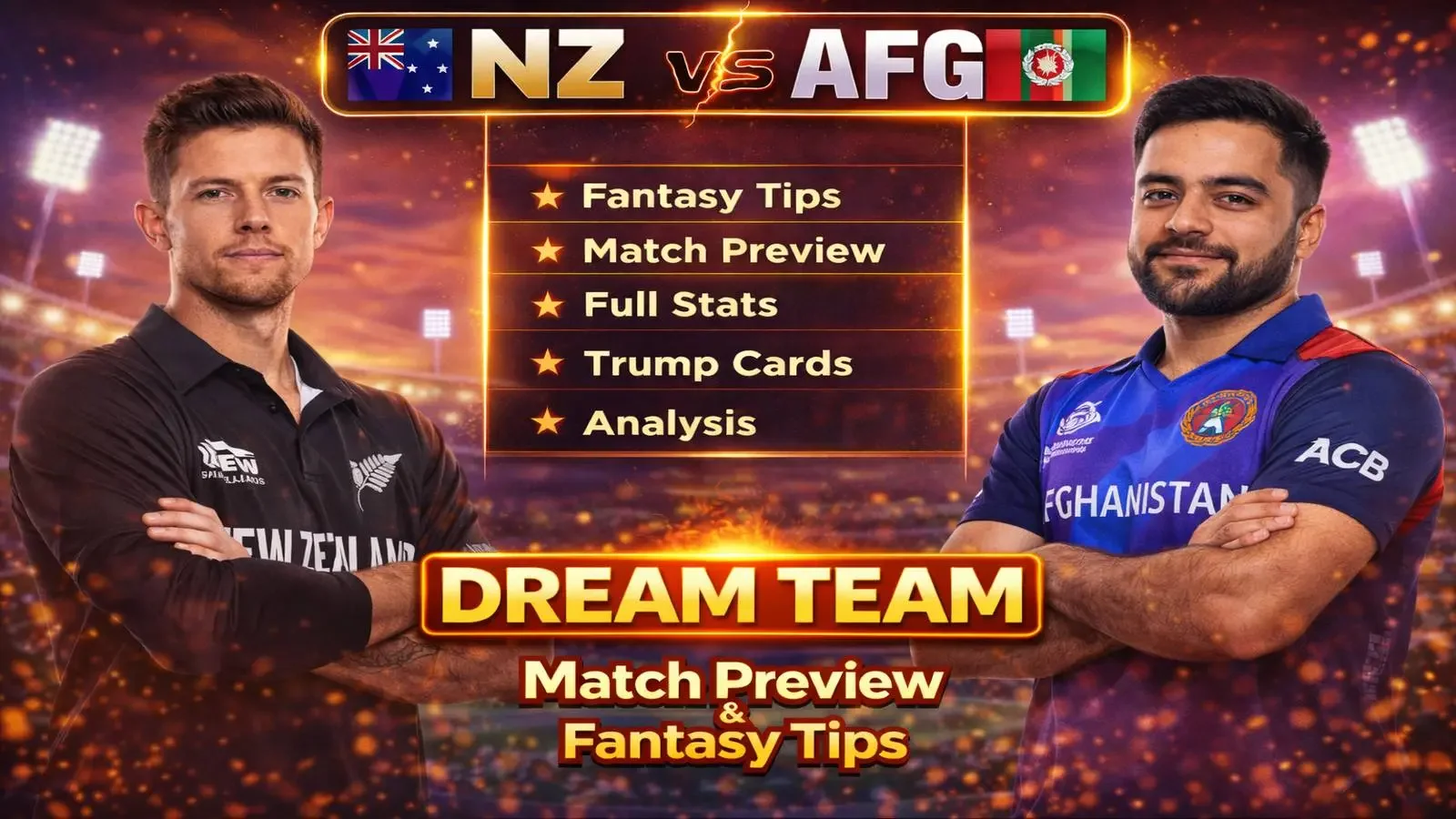
Fantasy cricket turns real matches into a strategy game: you pick a squad, earn points from player performances, and compete in leagues with friends. The quickest improvement comes from learning your platform’s rules and choosing players for their role in the match, not for their reputation.
What fantasy cricket is
Roles beat “big names”
Most contests award points for runs, wickets, catches, and efficiency (strike rate/economy). Opportunity is everything: top-order batters face more balls, and strike bowlers get the best wicket chances.
Format changes value
In T20, death-overs bowlers and aggressive batters spike more often. In longer formats, consistent run scorers and bowlers who can take multiple wickets across spells gain value.
Basic scoring
Open the rules before lock and identify the biggest swings: wicket bonuses, boundary bonuses, and any penalties for low strike rate or expensive overs. Those details should guide your build.
| Scoring area | What to check |
|---|---|
| Wickets | Role, overs, matchup vs top order |
| Runs + bonuses | Batting position, powerplay usage |
| Fielding | Likely catching zones, athletic fielders |
Building your first squad
Quick start checklist
- Check venue and expected conditions.
- Prioritise top-order batters.
- Add one death-overs bowler.
- Include an all-rounder with a stable role.
- Keep one slot flexible for late news.
Safe pick types
- Wicketkeepers who bat in the top five.
- All-rounders who bowl regularly.
- Strike bowlers with wicket-taking roles.
- Openers with strong recent form.
Captain picks
Captaincy should lean toward multi-path scorers. When you are unsure, captain a high-usage all-rounder and vice-captain a reliable top-order batter—simple, repeatable, and effective.
Beginner mistakes
The most common errors are chasing famous names with limited opportunity, ignoring late team news, and over-stacking one team without considering the match script.
One simple review habit
After the match, note which picks had low involvement (few balls faced or few overs). Replace those “thin roles” first next time.
Author’s opinion
Fantasy cricket for beginners is about discipline: follow roles, follow rules, and review your picks after each match. My take: if you can explain “why this player will be involved” in one sentence, you are already building better lineups.