
Draft Strategy for Fantasy Leagues: Tiers, Value, and Risk
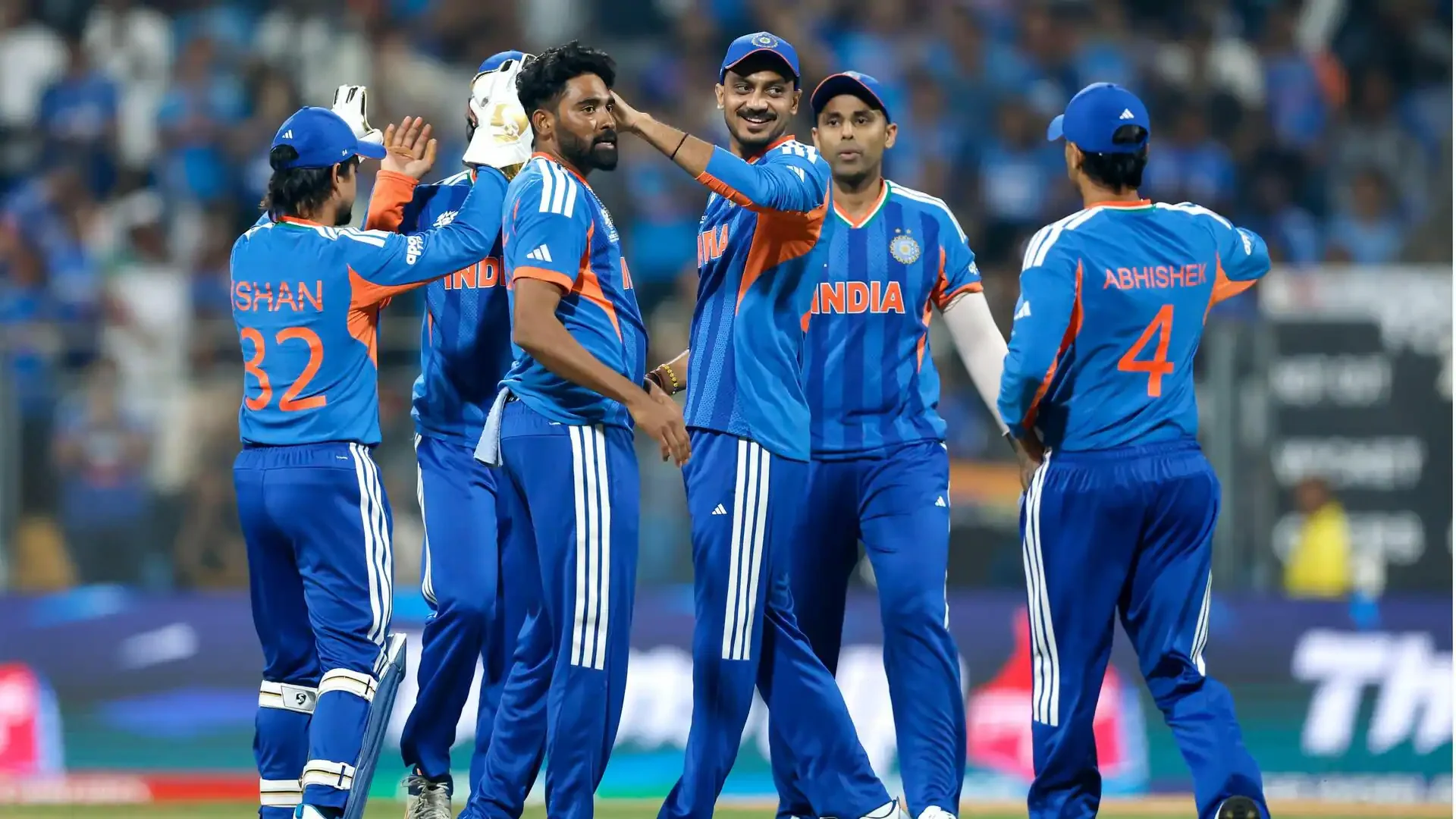
Draft formats reward long-term thinking. You are not just building the “best XI for today”—you are building depth, weekly flexibility, and trade value. A strong plan helps you stay calm when the room gets noisy.
Pre-draft preparation
Create a tier list
Rank players in tiers instead of a single list. Tiers show you when a position is about to drop off, which is more important than chasing a specific name.
Know your league settings
Roster size, starting requirements, and scoring rules decide everything. If wickets (or defensive stats) are heavy, you should not wait too long on strike bowlers.
Early rounds: build your core
Your first picks should be stable, high-involvement players. In cricket-style fantasy, that usually means top-order batters and all-rounders with locked roles. Avoid early picks who rely on rare events to score.
Middle rounds: win value
Target “boring” consistency
The middle is where drafts are won: select dependable roles while others chase hype. A steady contributor every week keeps you competitive and gives you safer trade options.
Exploit positional runs
If you see managers grabbing the same position, check your tiers. If your next tier is thin, join the run; if your tier is deep, pivot and take value elsewhere.
Late rounds: upside and cover
Late picks should either have a path to a bigger role or protect your roster from schedule/rotation issues. You can also draft one “speculative” player who could jump into the top order or bowling rotation.
Risk management
Balance floor and ceiling
- Floor: reliable minutes/overs and stable batting position.
- Ceiling: players who can win a week with wickets, quick runs, or multi-skill output.
- Fragility: injuries, rotation risk, uncertain roles.
Simple pick order when you are stuck
- Take the best remaining player in your highest tier.
- If tiers are equal, pick the player with the clearer role.
- If roles are equal, choose the one with better schedule coverage.
| Player type | Draft goal | When to take |
|---|---|---|
| All-rounder | Stable points from multiple categories | Early to mid rounds |
| Top-order batter | Consistent volume and bonus chances | Early rounds |
| Strike bowler | High weekly ceiling via wickets | Mid rounds (don’t wait too long) |
| Speculative pick | Upside if role expands | Late rounds |
Author’s opinion
My draft strategy for fantasy leagues is simple: draft roles first, then talent, then hype. If you leave the room with a balanced core and two upside swings, you have built a team that can survive bad weeks and still win the season.